Understanding Atlanta LASIK Surgery
LASIK, short for Laser-Assisted In Situ Keratomileusis, is a remarkable advancement in the field of eye care that has transformed vision correction for millions worldwide. In cities like Atlanta, LASIK surgery has gained popularity due to its precision, effectiveness, and relatively quick recovery time. With state-of-the-art technology and highly trained professionals, patients can expect exceptional outcomes. When exploring options, atlanta lasik provides comprehensive insights into leading clinics that ensure personalized care and advanced treatment methodologies tailored to specific vision needs.
What is LASIK and How Does it Work?
The LASIK procedure is designed to correct common refractive vision errors such as myopia (nearsightedness), hyperopia (farsightedness), and astigmatism. It utilizes a laser to reshape the cornea, allowing light entering the eye to be properly focused onto the retina for clearer vision. The process begins with the surgeon applying numbing drops to ensure comfort, followed by the creation of a thin flap in the cornea using a microkeratome or a femtosecond laser. The underlying corneal tissue is then sculpted with an excimer laser, and the flap is repositioned to heal naturally.
Benefits of Choosing LASIK in 2026
As we look into 2026, the benefits of LASIK continue to expand, particularly in regions like Atlanta where technological advancements have led to better surgical outcomes. Some key benefits include:
- Rapid Results: Most patients experience improved vision within a day of surgery.
- Painless Procedure: The use of numbing drops and advanced technology minimizes discomfort.
- Long-lasting Effects: LASIK can provide permanent vision correction, reducing the need for glasses or contact lenses.
- Safe and Effective: With millions of successful procedures, LASIK is recognized as a safe option for vision correction.
- Enhanced Quality of Life: Many patients report increased confidence and lifestyle flexibility post-surgery.
Who is an Ideal Candidate for LASIK?
Understanding whether LASIK is right for you involves several factors. Ideal candidates are typically over the age of 18, have stable vision for at least one year, and possess healthy corneas. However, certain conditions may disqualify individuals from undergoing LASIK, including:
- Severe dry eye syndrome
- Corneal thickness issues
- Certain autoimmune diseases
- Pregnancy or nursing
- Uncontrolled diabetes
A comprehensive evaluation by a qualified ophthalmologist is crucial to determine candidacy and to tailor the procedure to individual needs.
Preparing for Your LASIK Procedure
Preparing for LASIK is an essential step towards achieving optimal vision correction results. Patients should engage in a series of pre-operative consultations and assessments to ensure they are ready for the procedure.
Pre-operative Considerations and Assessments
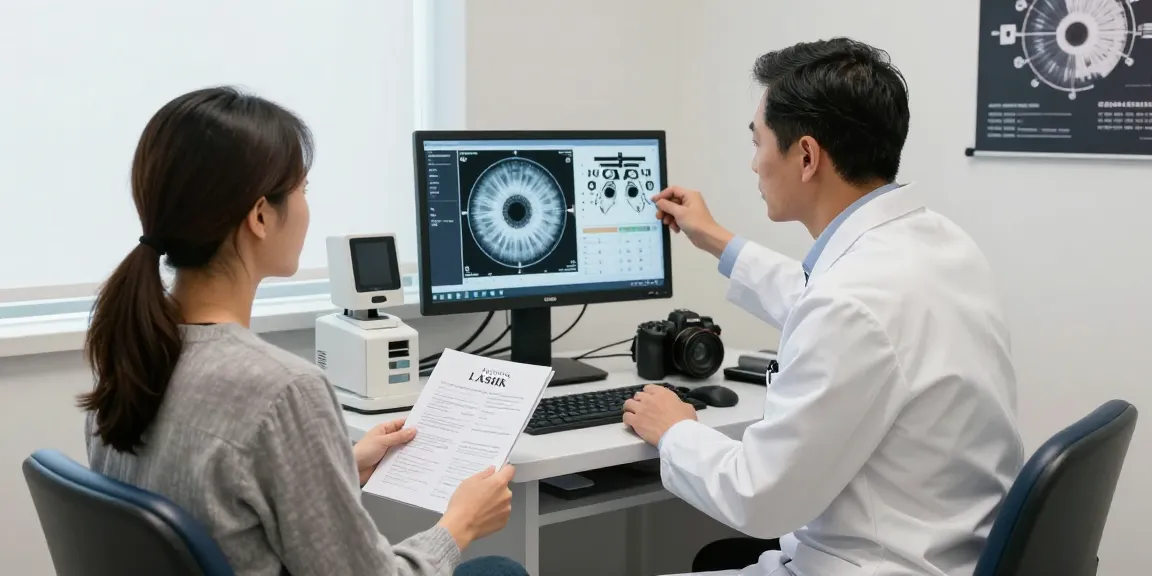
Before the actual surgery, several assessments will be conducted, including a thorough eye exam to measure your vision, corneal thickness, and overall eye health. During this time, your surgeon will also discuss the specifics of the procedure, set realistic expectations, and answer any questions you might have.
Understanding the LASIK Procedure Steps
The LASIK procedure typically follows a specific sequence of steps to ensure safety and efficacy:
- Preparation: After arriving at the clinic, patients will receive numbing eye drops.
- Flap Creation: A precise flap of corneal tissue is created using either a microkeratome or femtosecond laser.
- Corneal Reshaping: The underlying corneal tissue is reshaped using an excimer laser.
- Flap Repositioning: The flap is carefully placed back into position, and the healing process begins.
- Post-operative Care: Patients will receive instructions for aftercare and follow-up visits.
What to Expect on Surgery Day
On the day of the procedure, patients can expect a relatively quick and straightforward experience. The surgery typically takes less than 30 minutes for both eyes, and the actual laser application lasts only a few seconds. Post-surgery, patients may experience minor discomfort, which can be alleviated with prescribed eye drops and care instructions.
Post-Operative Care and Recovery
Post-operative care is critical in ensuring optimal healing and results after LASIK surgery. This includes adhering to specific aftercare instructions provided by your ophthalmologist.
Immediate Aftercare Instructions
Following the surgery, patients are advised to avoid rubbing the eyes and to wear protective eyewear for the first few days. It’s also essential to refrain from strenuous activities and exposure to bright lights. Regularly using the prescribed eye drops will help manage dryness and support healing.
Common Side Effects and How to Manage Them
Some common side effects experienced after LASIK may include:
- Dry eyes
- Night glare or halos
- Temporary blurry vision
These symptoms typically resolve within a few days to weeks. Patients should contact their doctor if they notice any unusual changes or persistent discomfort.
When to Contact Your Doctor Post-Surgery
It is crucial to monitor your recovery closely. You should reach out to your ophthalmologist if you experience:
- Severe pain or discomfort
- Sudden changes in vision
- Signs of infection, such as discharge or increased redness
Regular follow-up appointments will be scheduled to monitor your progress and address any concerns that arise.
Addressing Common Concerns about LASIK
Patients often have concerns and misconceptions regarding LASIK surgery. Addressing these can help in making an informed decision.
Debunking Myths Surrounding LASIK Surgery
One prevalent myth is that LASIK is painful. However, due to advancements in technology and the use of anesthetic drops, the procedure is virtually painless. Another misconception is that LASIK is only suitable for those with mild vision impairments; this is not true, as LASIK can effectively treat a wide range of refractive errors.
Cost Considerations for LASIK in Atlanta
The cost of LASIK in Atlanta varies based on several factors, including the surgeon’s experience, technology used, and the complexity of the individual case. On average, patients can expect to pay between $2,000 to $3,000 per eye. Many clinics offer financing options and payment plans to make the procedure more accessible.
Long-term Vision Outcomes and Expectations
Long-term outcomes for LASIK are generally excellent, with studies indicating that over 90% of patients achieve 20/25 vision or better. However, it is essential to maintain regular eye exams post-surgery to ensure lasting results and to monitor for age-related vision changes.
Future of LASIK Technology and Innovations
As technology continues to advance, the landscape of LASIK surgery is evolving to provide even better outcomes for patients.
Emerging Techniques in Vision Correction
Future innovations include the development of personalized LASIK procedures tailored to the unique characteristics of each patient’s eyes. Techniques such as wavefront-guided LASIK can optimize treatment based on individual corneal shape and visual needs, enhancing accuracy and reducing post-operative side effects.
What’s New in LASIK Research and Development?
Research and development in LASIK technology focus on improving the precision of laser systems and enhancing the understanding of corneal healing processes. Additionally, hybrid techniques that combine LASIK with other forms of vision correction, such as implantable contact lenses, are being explored to cater to a broader range of patients.
Predictions for LASIK and Eye Care in 2026 and Beyond
Looking to the future, it is predicted that LASIK will become even more refined, with enhanced customization and improved safety. Innovations in telemedicine may also provide patients with more accessible pre-operative consultations and follow-up care, making LASIK a more user-friendly experience.
What are the Risks Involved with LASIK?
While LASIK is generally safe, there are risks involved, including overcorrection, undercorrection, and potential complications during the surgery. Discussing these risks with your ophthalmologist during your consultation is essential to assess whether they are acceptable in light of the benefits.
Is LASIK Right for Everyone?
LASIK is not suitable for everyone. Factors such as the overall health of your eyes, your age, and specific vision needs play a significant role in determining candidacy. A detailed examination will provide clarity on whether LASIK is the right choice for your vision correction needs.